

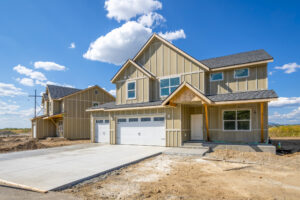
 Investing in single-family rental properties can reduce near-term repair exposure, yet owners should avoid assuming that a new home is automatically the better investment. Newer inventory is not always the lowest-cost option, but it can offer benefits such as more customization options, improved energy efficiency, and reduced maintenance needs during the first years of ownership. Newness does not remove the need to watch upgrade expenses or the limited discounting often seen with builder inventory. To judge the opportunity on its merits, weigh the pros and cons carefully to maximize your return on investment.
Why Consider New Construction for Your Rental Portfolio?
Purchasing new construction as a rental property can fit a strategy centered on newer housing and a shorter path to tenant occupancy. The home’s contemporary condition can create immediate leasing appeal and reduce the need for a pre-market refresh. If the property needs only routine turnover preparation, out-of-pocket expenses are typically minimal while the investor prepares the property for market.
A builder-completed property may allow an investor to start lease-up with fewer operational delays than a fixer-upper. The property’s features can be selected to fit the likely renter pool, with particular attention to smart home features. For tenants who value connected convenience, smart thermostats and security systems can reinforce the value of a newer home and improve its appeal to technology-minded prospects.
Top Benefits of Energy-Efficient, Smart Homes for Renters
The opportunity to live in a brand-new property can help the listing capture attention in a crowded rental market. Attracting quality tenants is key to rental success. Newer construction methods can reduce wasted energy and contribute to lower utility bills and greater environmental sustainability. Newer windows, appliances, and HVAC equipment can support both efficiency and a stronger resident experience.
The ability to market a fresh, efficient home can make new construction an appealing choice for rental property investors. Investors should examine the workmanship behind the finishes because latent defects can become expensive after the warranty period.
Unresolved workmanship concerns may become costly when they are not addressed before the property moves fully into rental use. Design-center selections can be tempting, yet upgrade costs may not be recovered through higher rent.
Is New Construction the Right Investment for You in Today’s Market?
New construction may offer many operational advantages, but aggressive price negotiation is not always one of them. Builders often maintain price discipline to avoid resetting expectations for future buyers in the same community.
Base-price reductions are often limited because they can influence future comps and weaken the builder’s position with subsequent buyers. In that situation, it can be wise to inquire about current incentives, closing cost assistance, or upgrades that may be available.
Before purchasing a new home as a rental property, weigh the pros and cons carefully. Compare the property with the local rental market, projected tenant demand, and evaluate whether the home’s design choices actually support the leasing strategy. If the local evidence supports your assumptions, new construction can deliver strong long-term returns.
A clear view of the local market helps investors decide whether a property fits both tenant needs and portfolio goals. Real Property Management Westchester supports property owners in White Plains with market information relevant to rental investment decisions. We perform market assessments for all potential rental properties, ensuring owners who partner with us have the tools and information they need to make the best investment decisions. To review your next opportunity in more detail, contact us online.
This content is provided for general informational and educational purposes only and does not constitute financial, legal, tax, or investment advice. Readers should consult with licensed professionals regarding their specific circumstances.
We are pledged to the letter and spirit of U.S. policy for the achievement of equal housing opportunity throughout the Nation. See Equal Housing Opportunity Statement for more information.
